How do you prepare a brief for a designer? Briefly answer seven questions: what the business does, who your customer is, what character the brand has, what style you like (and don't), who the competition is, where the design will be used, and what your deadline and budget are. 1–3 pages are enough.
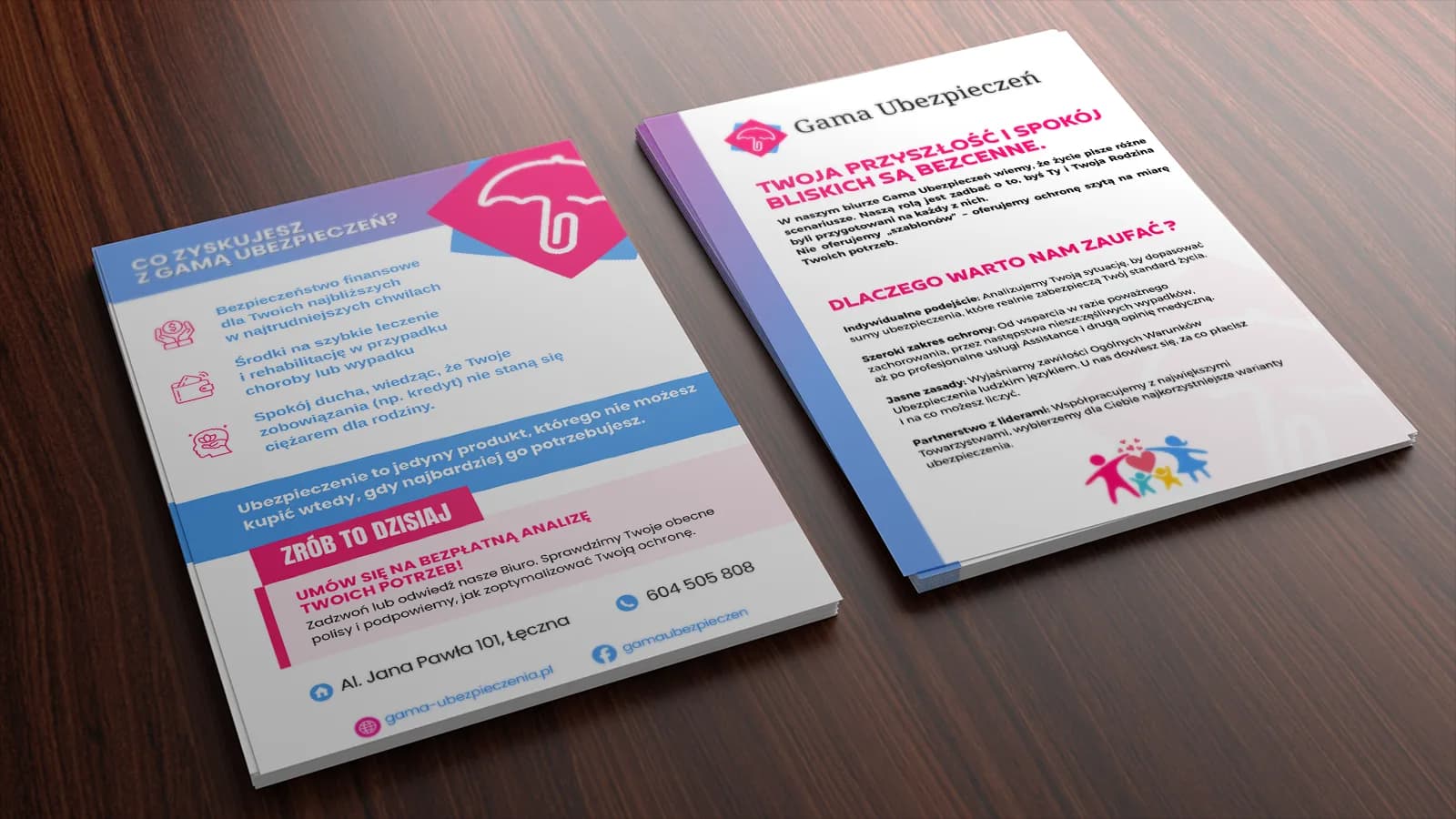
Don't want to start from a blank page? Download the ready template: print it and fill it in with a pen in half an hour. The template is in Polish, but you can answer in English; the questions follow the same order as this article.
Brief template PDF (in Polish): 3 pages, questions for a logo and a website, checklist. Free, the link comes to your email.
Download the template (PDF)A brief is the difference between a design that hits the mark first time and one you rework four times and something still isn't right.
The quality of a design starts with the quality of the brief. Not with the designer's talent.
Even the best designer can't make a logo "that's modern but classic, simple but rich, and that everyone likes". A brief isn't a formality: it's a tool that saves time, money and nerves on both sides.
Below I explain how to prepare a brief step by step, whether you're ordering a logo, a website or a brand identity.
What is a brief?
A brief is a document describing the project before a single pixel or line exists. It answers the fundamental questions:
- →Who are you and what do you do?
- →Who are you talking to (target audience)?
- →What do you want this project to achieve?
- →How do you want to be perceived?
- →What do you NOT want?
- →What constraints do you have (budget, time, format)?
A brief isn't an official letter. It should be honest, specific and written in plain language. 1–3 A4 pages are enough.
A logo brief: what should it include?
1. Business and industry
- →The full business / brand name
- →Your industry and what exactly you do
- →How long the business has existed (a start-up vs a brand with history)
- →Do you already have any materials or a previous logo?
2. Target audience
- →Who is your customer? (age, gender, industry, income)
- →Where does your customer spend time online and offline?
- →What matters to your customer when choosing a product or service?
3. Brand values and character
- →Which 3 adjectives describe your brand? (e.g. reliable, modern, warm)
- →If your brand were a person, what would they look like?
- →What emotions do you want to evoke in customers?
4. Visual preferences
- →Favourite colours? Colours you DON'T want?
- →Style: minimalist, organic, luxury, technological...?
- →Font: serif (classic) or sans-serif (modern)?
- →3–5 logos you like and briefly why
- →3–5 logos you DON'T like and why
5. Competition
- →Who is your main competition?
- →How do you want to stand out from competitors?
- →Do you want to look similar to your industry, or different?
6. Formats and uses
- →Where will the logo be used? (website, business card, shop sign, social media, packaging)
- →Do you need dark and light versions?
- →File formats (PDF/AI/SVG for vectors, PNG/JPG for raster)?
7. Deadline and budget
- →When do you need the finished design?
- →What is your budget?
- →Are there any milestones (e.g. business launch, event, conference)?
A website brief: extra questions
A website is a more complex project than a logo. Besides the points above, technical and content questions come in.
The website's goal:
- →What should the website do? (collect leads, show a portfolio, sell products...)
- →What's the main user action? (fill in a form, call, buy)
- →Does it replace an old site, or is it new?
Structure and content:
- →What pages or sections should there be? (About, Services, Blog, Contact...)
- →Do you have ready text, or do you need help with copywriting?
- →Do you have (professional) photos or do we need stock images?
- →Will you update the content yourself (CMS panel)?
- →Should the site be in one language or several?
Technical:
- →Do you already have a domain and hosting?
- →Contact forms: where should enquiries go? (email, CRM)
- →Do you need integrations? (Google Analytics, newsletter, shop)
7 brief mistakes that cost you time
Mistake 1: "I want a logo that's modern, classic and minimalist all at once"
Those are contradictory expectations. Choose one direction and stick to it. You can show 2–3 examples and say "I want something closer to this".
Good: 'I want a minimalist logo, inspirations: Muji, Aesop, Veja. Colour: black or navy. I DON'T want gradients, gold or complicated illustrations.'
Bad: 'I want a logo that's modern but classic, simple but rich. That everyone will like.'
Other common mistakes:
- →The brief is one sentence, "I want a logo for a construction company", so the designer has to guess everything
- →No examples, neither positive nor negative
- →"I need this for next week", sent on a Friday
- →No information about the budget, so the designer doesn't know whether to propose basic or premium
- →Changing the concept after the first version, "we're changing the name after all" = resetting the whole process
What if you can't write a brief?
It happens, especially with a first project. There's nothing wrong with it.
Option A: a kick-off call. A good designer will take you through the brief questions in conversation. 15–30 minutes of talking replaces hours of writing.
Option B: a short brief + inspiration. Just answer 3 questions: what you do, who you're talking to and what style you like. The rest comes out along the way.
Option C: a brief form. On the logo design and websites pages there's a ready brief form. You fill it in step by step and the questions guide you through.
Brief checklist: the quick version
A brief is only useful once you have someone to send it to. What to look for when choosing a contractor, I wrote in how to choose a logo designer.
Don't want to write a brief from scratch?
You have two options. Print the PDF template and fill it in by hand, then just send me a photo at kontakt@wuyo.pl or on WhatsApp. Prefer a computer? The form on the website asks the same questions in order. Either way, I reply within 24 hours with a quote and a deadline.
Send the filled-in template to kontakt@wuyo.pl or WhatsApp: +48 725 182 053.
Download the template (PDF)Fill in a brief with me · Get a rough estimate
FAQ
Where can I download a design brief template?
Free, the link comes to your email: brief template PDF. It has 3 A4 pages, questions for a logo and a website, and a checklist before sending. The template is in Polish.
What is a design brief?
A brief is a document in which you describe your business, the project's goals, your target audience and what you expect from the designer. The better the brief, the better the design.
How many pages should a brief have?
A good brief has 1–3 pages. It's enough to answer the key questions honestly. You don't need to write a thesis: what counts is being specific, not length.
Can I show the designer examples instead of writing a brief?
Yes! Inspiration (logos, websites, colours) is a great addition to a brief. Also show what you don't like: negative examples are as valuable as positive ones.
Is a brief needed for a small project like a business card?
For a business card a short version is enough: industry, colours, style, contact details. A full brief matters more for a logo, a brand identity and a website.
How do I prepare a brief if I don't know what I want?
Start by answering three questions: what your business does, who your customer is, and show 2–3 examples of designs you like. That's enough for a first conversation. The designer will draw out the rest by talking.
How long does preparing a brief take?
The first time, 30–60 minutes to fill it in calmly. Later briefs for the same brand take 10–15 minutes: most of the answers don't change.